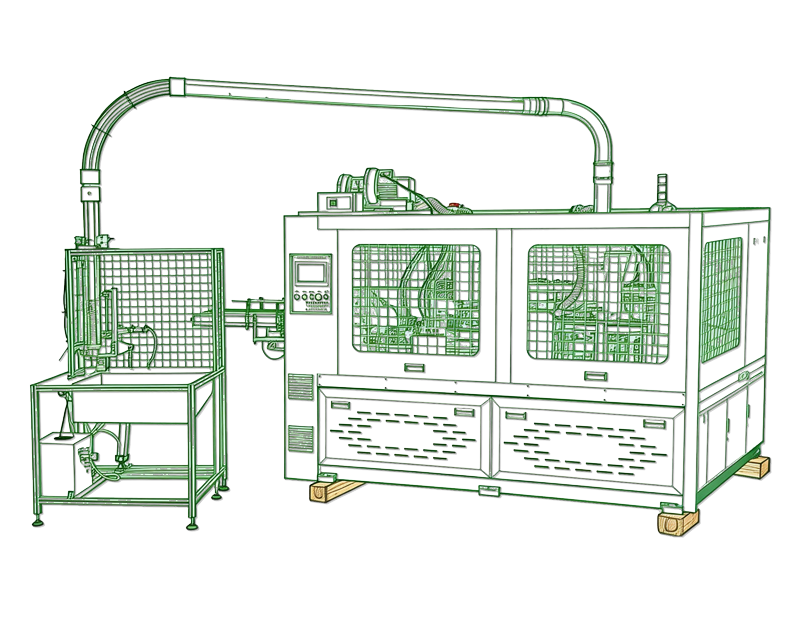

An automatic paper cup machine is a long-term investment for any beverage packaging business. The right machine should match your cup size, paper material, production target, automation requirements, and future business plans.
For example, a machine producing 220 cups per minute may be unnecessary for a small startup, while a lower-capacity machine may not be suitable for a large beverage packaging operation. Both situations end up wasting capital.
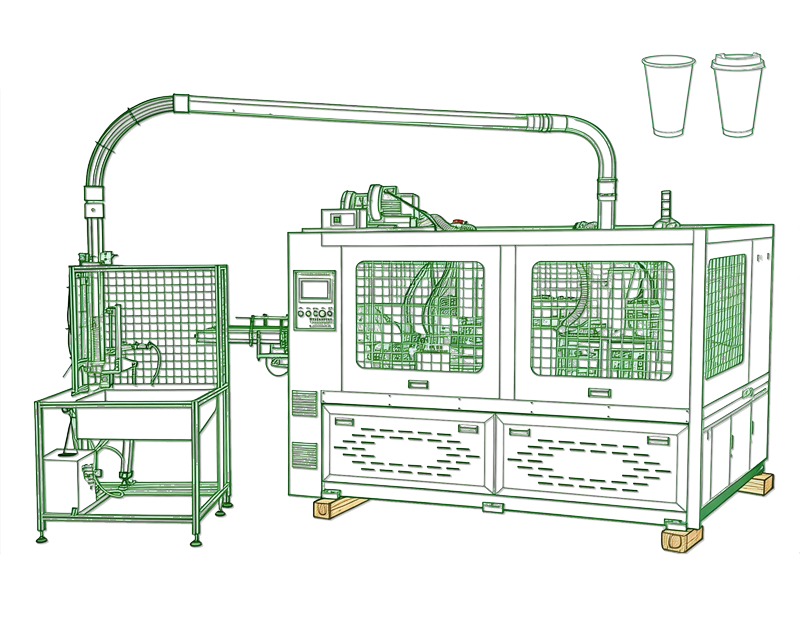
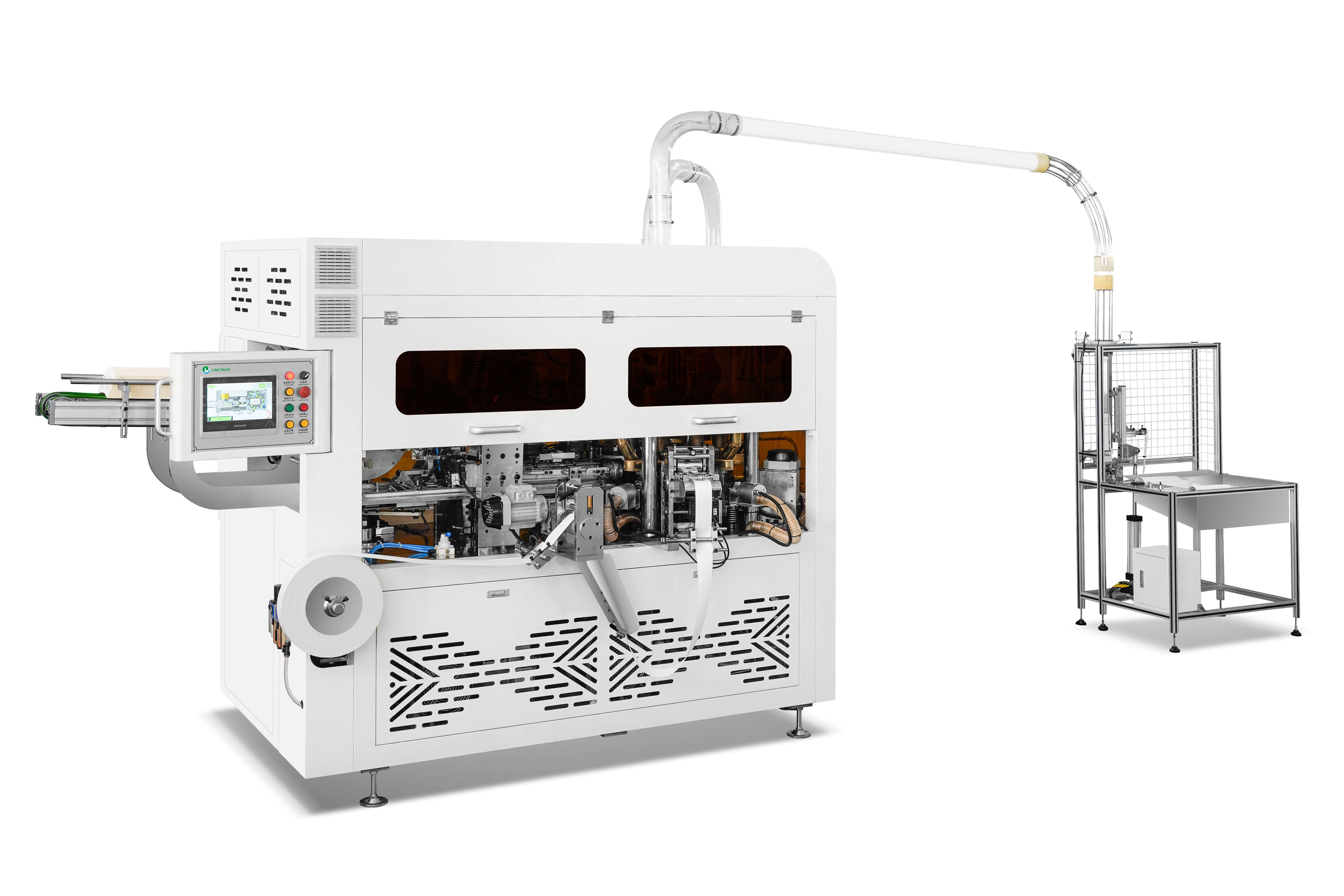
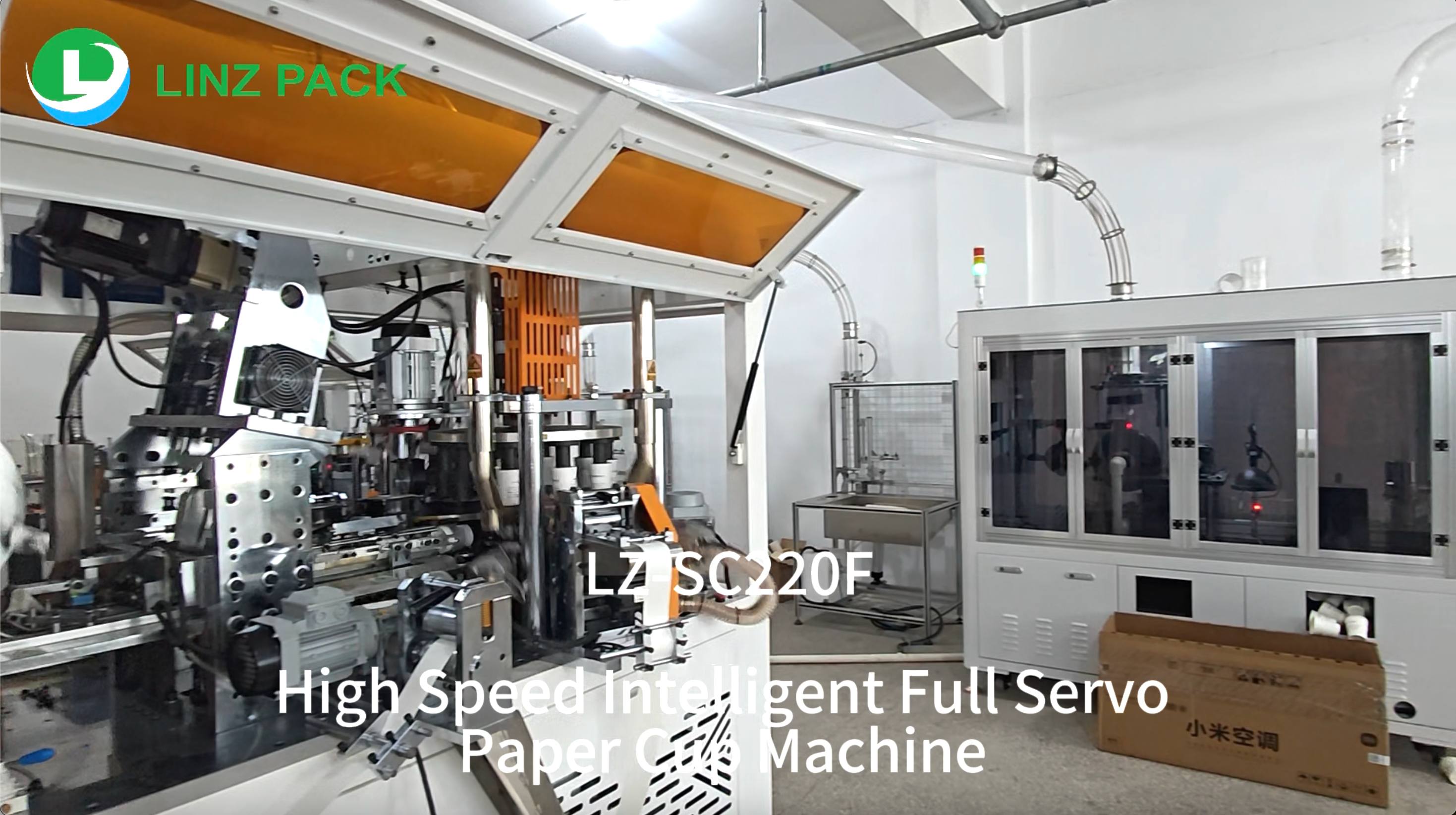
In this guide, we explain the six key factors every buyer should evaluate before requesting a quote. We also use the LINZ PACK LZ-SC220F full servo paper cup machine as a practical example to show how machine specifications translate into production requirements.
1. Start With Your Cup Size
The first step is to define the paper cup you want to produce. Different cup sizes require different forming molds and dimensional configurations. Before choosing a machine, confirm the following:
- Cup mouth diameter
- Cup bottom diameter
- Cup height
- Cup capacity (oz)
- Bottom depth
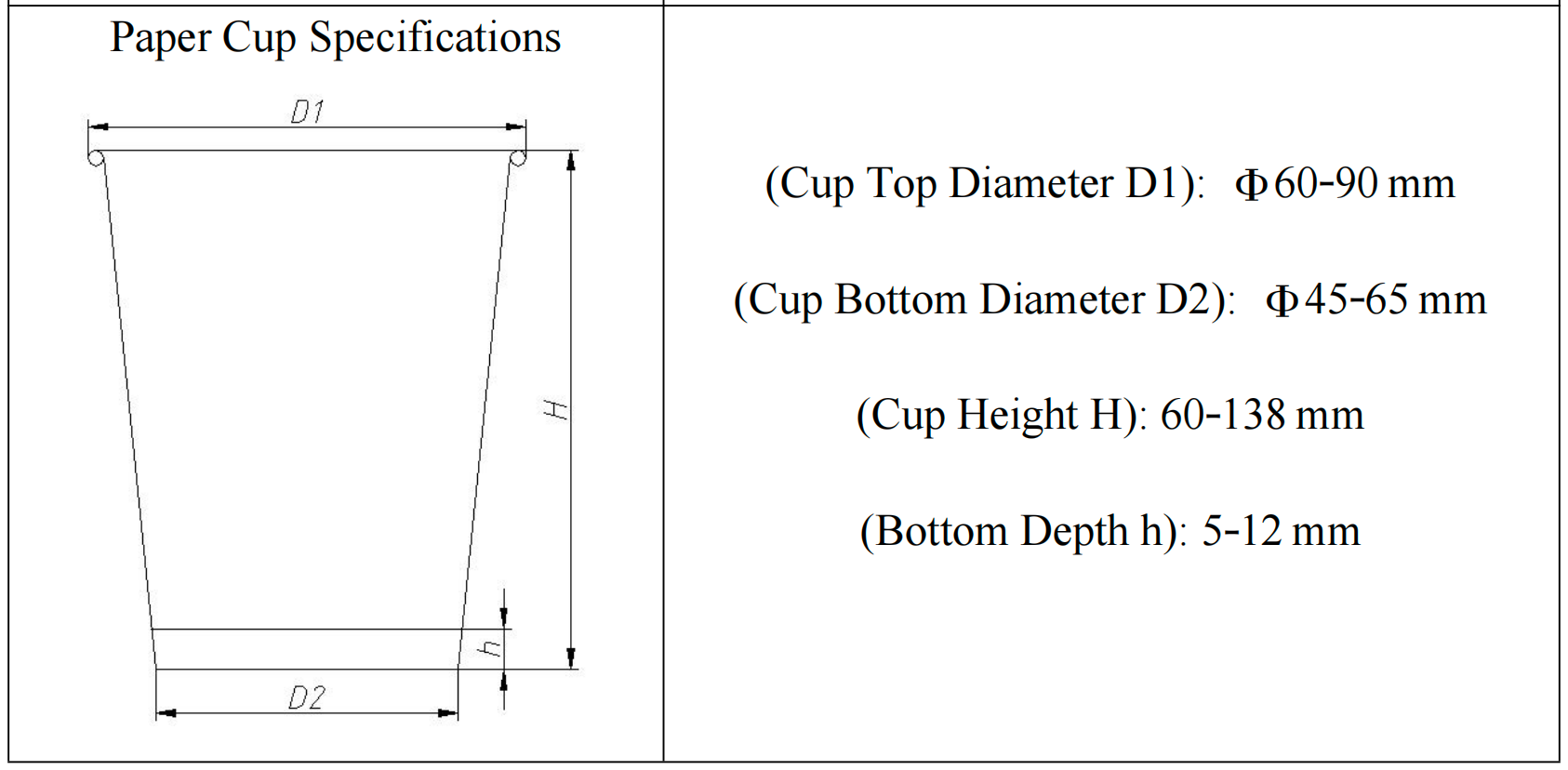
The LZ-SC220F supports 6–16 oz paper cups, with a cup mouth diameter of φ60–90 mm, bottom diameter of φ45–65 mm, cup height of 60–138 mm, and bottom depth of 5–12 mm. This range covers the most common hot and cold beverage cup applications.
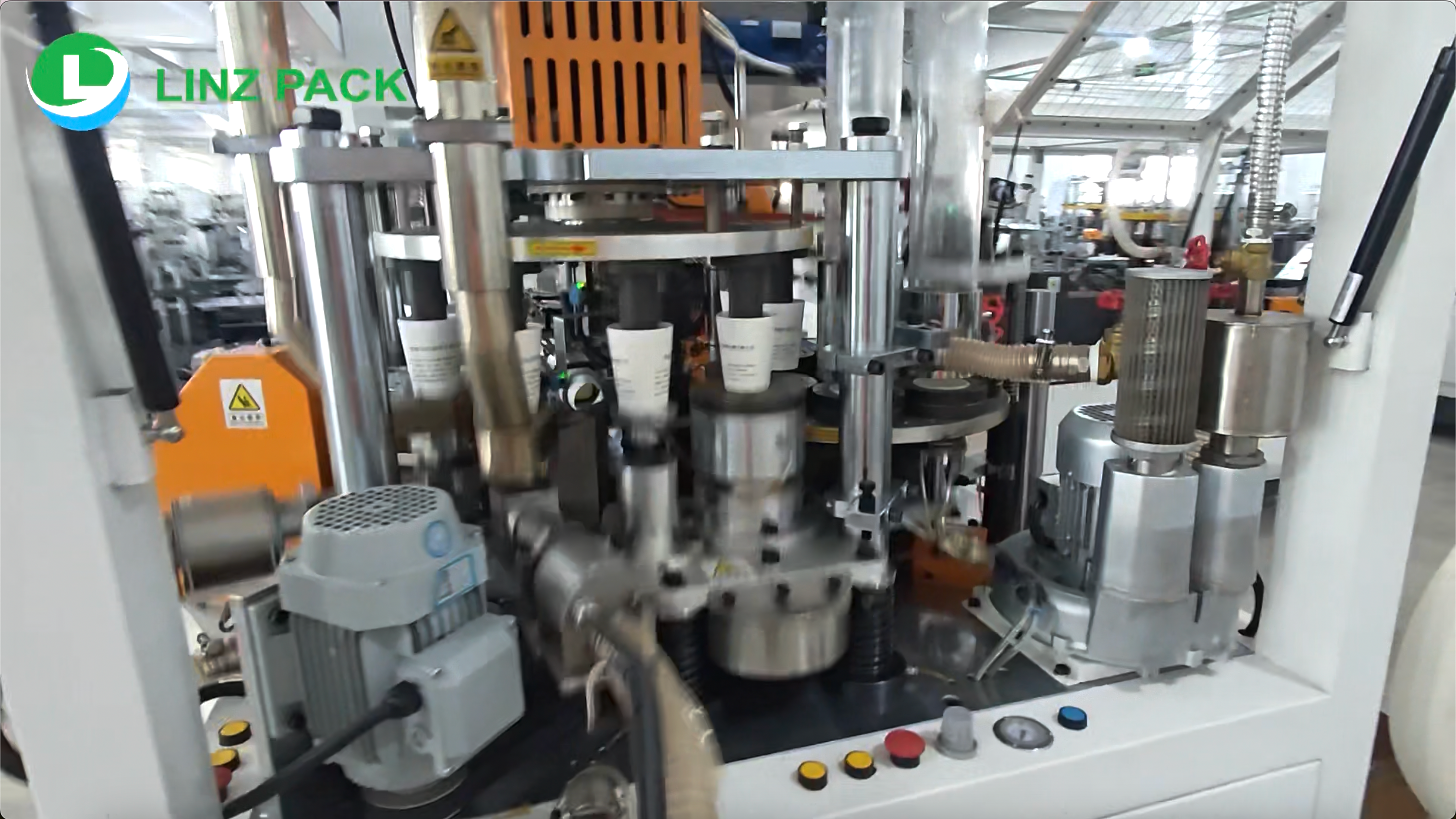 If you plan to produce several cup sizes, check whether the machine can accommodate different molds and how easily the size can be changed. Quick size changeover saves hours of downtime in a real production environment.
Practical tip: Define your main cup sizes before requesting a quotation. This allows the supplier to confirm the correct mold configuration and machine setup, and avoids paying for a mold size you will never use.
2. Check the Paper Material and GSM
Paper material has a direct impact on feeding, forming, sealing, and final cup quality. Before purchasing a machine, confirm:
- Paper weight (GSM)
- Single-side or double-side PE coating
- PLA coating, if required for compostable cups
- Paper stiffness and forming characteristics
The LZ-SC220F supports 190–320 g/m² paper and is compatible with single-side PE, double-side PE, and PLA-coated paper. Different cup sizes and materials may require different process settings, so the machine should be evaluated using the actual paper specification you plan to use.
If you already have a paper supplier, share the paper specification (GSM, coating type, roll width) with the machine supplier before ordering. This avoids mismatched equipment and unnecessary commissioning time.
3. Match Machine Speed to Your Production Target
Machine speed is one of the most visible specifications, but maximum speed should not be the only factor you consider. Buyers often over-spec on speed and then realise the rest of the line cannot keep up.
Ask three questions before committing:
- What is the machine’s maximum production speed?
- What production volume do you actually need?
- How many working hours will the machine run each day?
The LZ-SC220F has a production capacity of 180–220 cups per minute. At 200 cups per minute:
200 × 60 = 12,000 cups per hour
For an 8-hour shift:
12,000 × 8 = 96,000 cups
Actual output depends on operating conditions, material changes, machine adjustments, downtime, and operator skill. Continuous production typically runs 10–15 % below the rated maximum, so a realistic daily target for a single LZ-SC220F line is 80,000–90,000 cups.
Important: Faster is not always better. If your daily requirement is only 30,000 cups, a 220-cups-per-minute machine may waste capital, floor space, and electricity. Match speed to volume.
4. Automation, Servo Control and Layout
Automatic paper cup machines can use different transmission and control configurations. The two most common are cam-driven mechanical systems and full servo drive systems. For higher production requirements, servo control provides more precise synchronisation between key forming processes.
This full-servo model uses a full servo drive system with PLC control and photo-electric tracking. Its servo-controlled structure is designed for stable cup forming and precise synchronisation between production stages. Key features include:
- Full servo drive (no Geneva mechanism)
- PLC control with self-diagnostic functions
- 10-inch touch screen for parameter management
- Intelligent temperature control
- Servo-controlled size adjustments
- Automatic parameter management
It also uses a desktop layout that separates the drive components below the table from the forming molds above, making cleaning and maintenance more convenient. This matters more in practice than brochures suggest: easier maintenance means less downtime between product changeovers.
For a buyer, the right question is not simply “does it have servo?” but whether the control system provides practical benefits for your required production volume, product consistency, and operating efficiency.
5. Cup Quality and Temperature Control
Stable cup quality is essential for commercial paper cup production. Important areas include:
- Sidewall sealing
- Bottom sealing
- Knurling
- Cup forming accuracy
- Temperature control stability
- Paper feeding accuracy
This machine uses intelligent temperature control to automatically adjust production parameters and improve sealing performance. Its servo synchronisation also helps maintain consistent forming and sealing quality during long production runs.
When comparing machines, look beyond production speed and ask how the machine maintains consistent cup quality across an 8-hour shift and across different paper batches.
6. Inspection, Packing and the Complete Production Line
Producing paper cups is only one part of the production process. For commercial production, manufacturers also need to consider the downstream workflow:
Cup forming → Cup inspection → Counting → Packing
An automatic inspection system can identify defective cups (leaking seams, poor knurling, wall defects) before they reach the packing stage. After inspection, cups can be counted and packed according to the required packaging format.
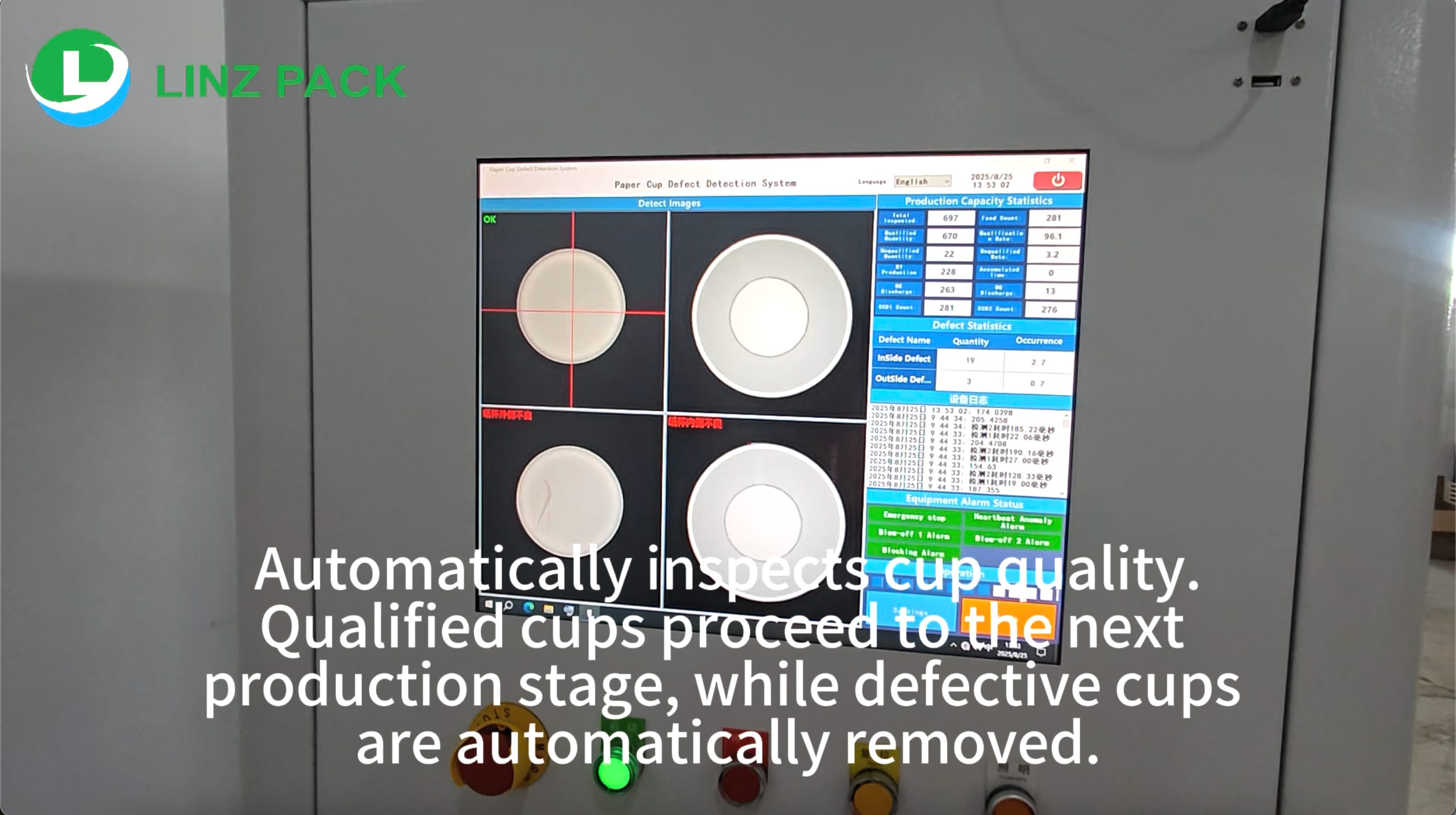
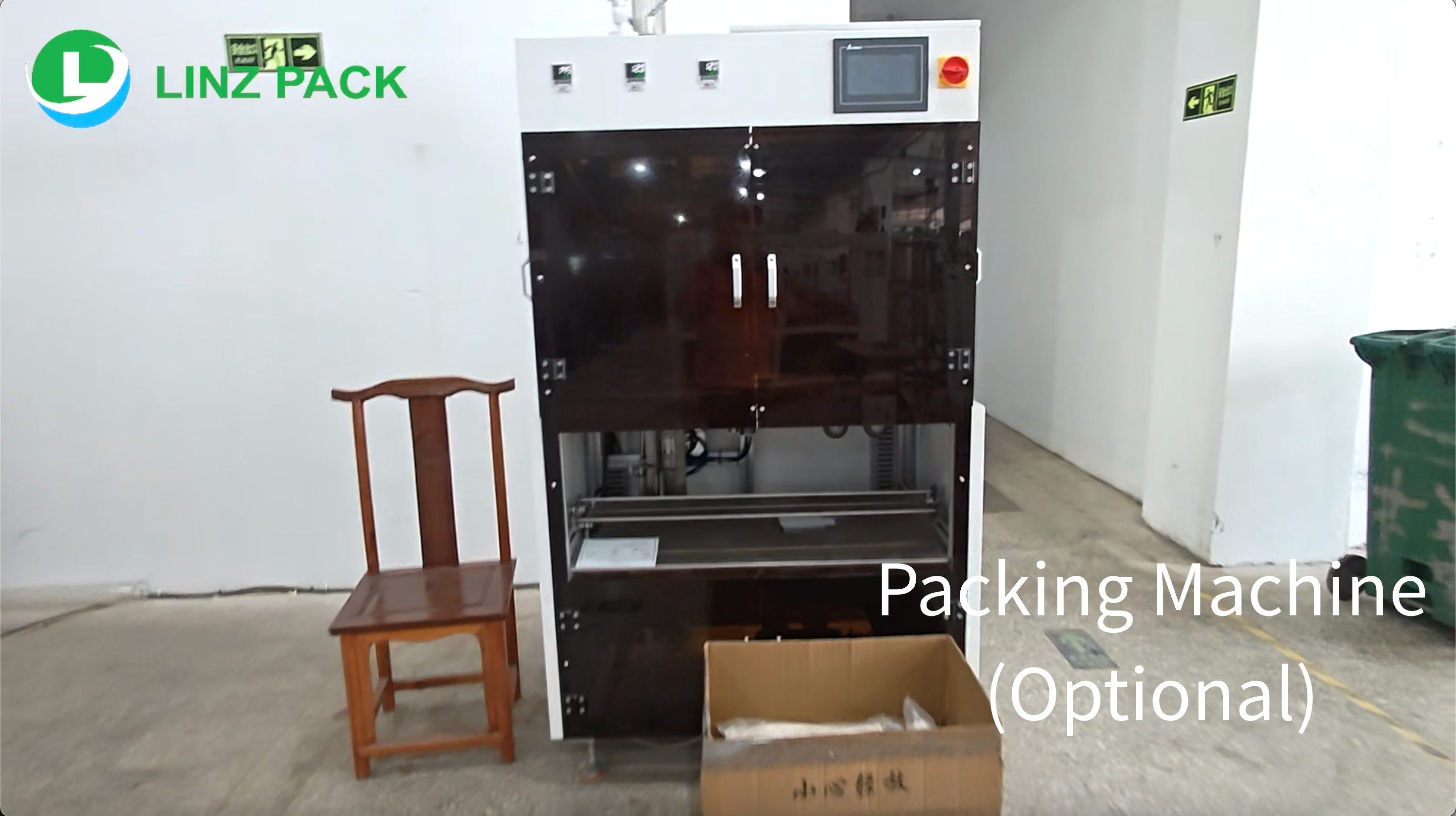
This is particularly important for customers supplying beverage brands, food-service companies, distributors, and other buyers with consistent quality requirements.
See the Complete Production Line
The LZ-SC220F can be connected with optional paper cup inspection and packing equipment for a more integrated production workflow. In the following video, you can see the LZ-SC220F running together with the inspection machine and the packing line:
<iframe width=”800″ height=”450″ src=”https://www.youtube.com/embed/o3CjaDvqmUc” title=”LZ-SC220F Full Servo Paper Cup Machine with Inspection and Packing Line” frameborder=”0″ allow=”accelerometer; autoplay; clipboard-write; encrypted-media; gyroscope; picture-in-picture” allowfullscreen></iframe>
This gives buyers a better understanding of how the cup forming process can connect with downstream inspection and packing — instead of treating each station as an isolated machine.
A Practical Example: Choosing the LZ-SC220F
To illustrate how the six factors above work together, here is a real-world specification match based on the LINZ PACK LZ-SC220F:
| Requirement | LZ-SC220F Specification |
| Machine type | Full servo automatic paper cup machine |
| Production capacity | 180–220 pcs/min |
| Cup size | 6–16 oz |
| Paper weight | 190–320 g/m² |
| Paper type | Single-side PE / Double-side PE / PLA |
| Cup mouth diameter | φ60–90 mm |
| Cup bottom diameter | φ45–65 mm |
| Cup height | 60–138 mm |
| Bottom depth | 5–12 mm |
| Control system | PLC + Photo-Electric Tracking |
| Control screen | 10-inch touch screen |
| Servo system | Full servo drive |
| Cup inspection device | Optional |
| Power supply | 3-phase 380V · 32 kW |
| Compressed air | 0.6–0.8 MPa · 0.5 m³/min |
| Cup collection rack (L×W×H) | 1,000 × 650 × 1,600 mm |
| Machine weight | 4,200 kg |
| Packed dimensions (L×W×H) | 2,800 × 1,450 × 2,000 mm |
The LZ-SC220F is designed for buyers who need high-speed, automated paper cup production for 6–16 oz hot and cold beverage cups. If your project requires different cup sizes, paper specifications, or lower-volume gear-driven options, the same product family also includes the multi-servo LZ-SC200M and the gear-driven LZ-GC series.
What Should You Prepare Before Requesting a Quote?
To receive an accurate recommendation and quotation, prepare the following details before contacting the manufacturer:
- Target cup size or sizes (oz / mm)
- Required production capacity (cups per minute and cups per day)
- Paper GSM and paper supplier
- Paper coating: single-side PE, double-side PE, or PLA
- Expected daily or monthly production volume
- Power supply and compressed air available at your factory
- Required inspection and packing configuration, plus delivery destination
Providing these details allows the supplier to recommend a machine configuration that matches your actual production requirements — rather than simply selecting a machine based on maximum speed.
Need help choosing the right automatic paper cup machine? Contact LINZ PACK with your cup size, paper specification, and production target. Our team can recommend a suitable configuration and provide factory pricing within 12 hours.